The Penelope Shirt: how one dramatic white shirt gave the dress its first transformation
If you followed the very beginning of the 90-Day Wool Habit, you’ll already have seen the first piece from the Collective in action.
For Day 1 at SheChain Live in Blackpool, I wore the dress layered over a crisp white Penelope Shirt by isabelleRANDALL.
It was a fitting way to start. One of the things I want to explore over these 90 days is just how different one simple dress can look without constantly buying something new. The 90-Day Wool Habit Collective brings together British brands, makers and independent businesses whose pieces will help me do exactly that and, the Penelope certainly isn’t a quiet supporting act!
The Penelope Shirt
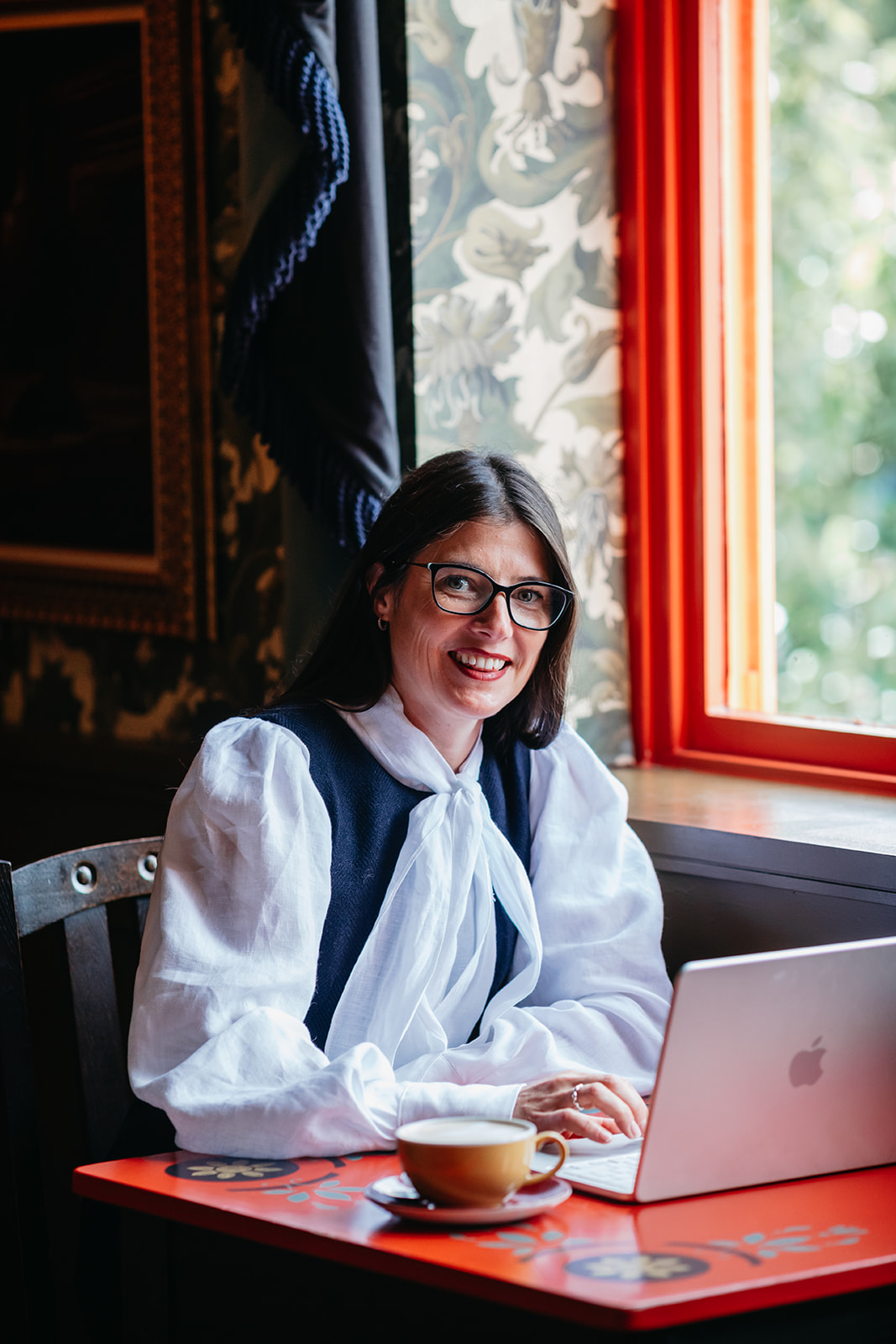 Made from crisp white linen, the Penelope has long statement sleeves, deep cuffs, a sharp collar and a flash of neon top-stitching.
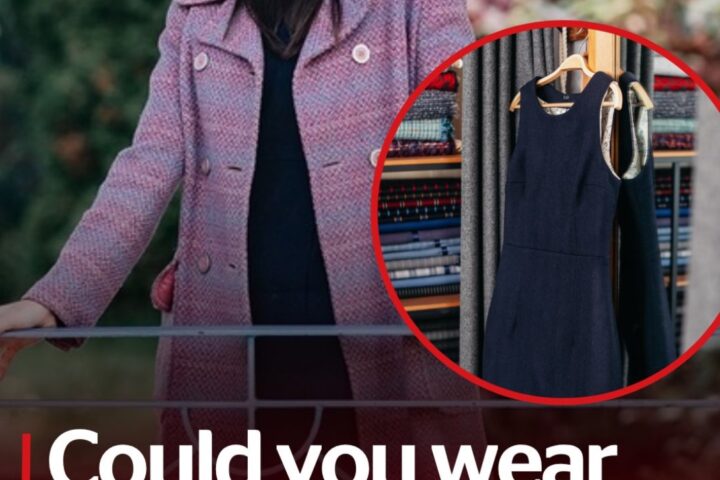
Isabelle chose it specifically to complement the navy herringbone dress, using layering to change its silhouette while still allowing the dress itself to remain the hero.
There’s also something rather lovely about putting linen and wool together, two natural fibres we traditionally associate with completely different seasons.
My stylist for the 90-Day Wool Habit, Anna Mewes, explains exactly why it works:
“The drama of this blouse really elevates and adds interest to the simple silhouette of the dress, giving it a natural focal point and also portraying Sarah’s love of romantic details perfectly.”
And I think she’s nailed something important there. The dress was deliberately designed as a relatively simple blank canvas. Pieces like the Penelope allow me to bring some of me back into it.
Meet Isabelle Randall
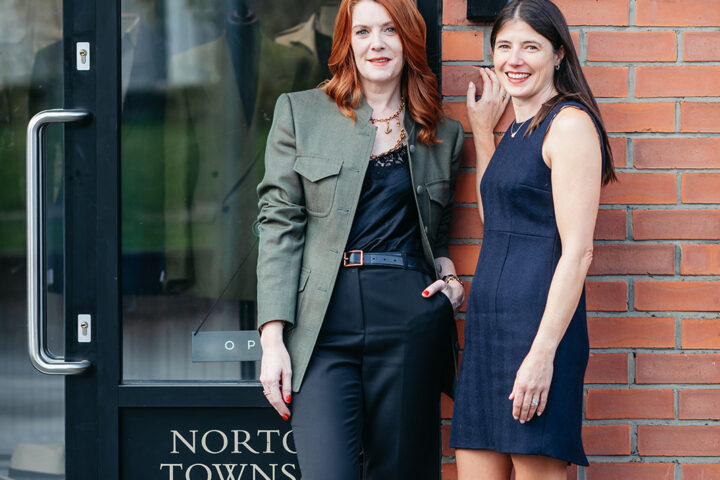
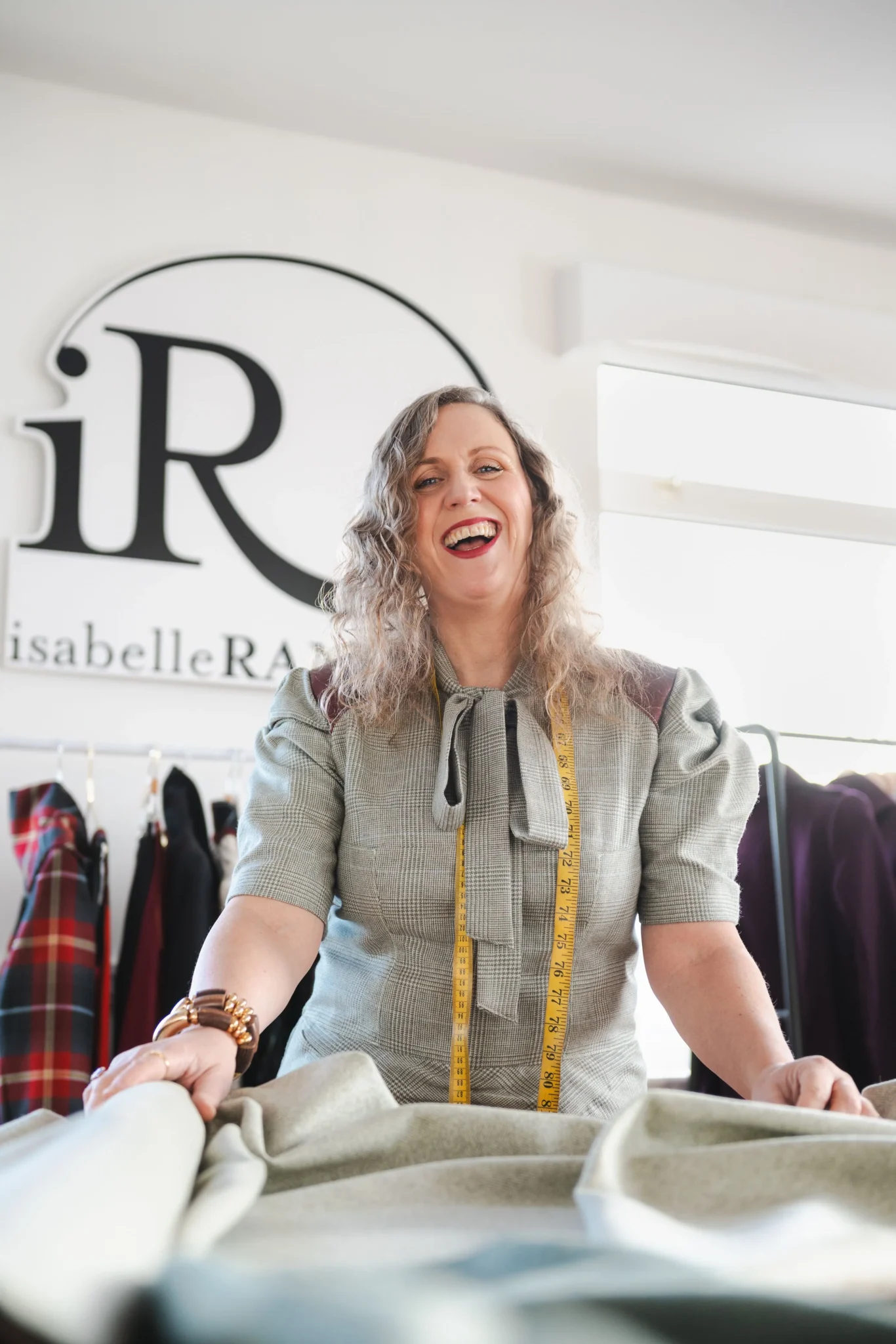 Behind isabelleRANDALL is Yorkshire designer-maker Isabelle Randall, who designs, pattern cuts and makes distinctive clothing and accessories from her studio in Scarborough.
Unlike many fashion businesses, Isabelle remains very much a designer-maker. She doesn’t simply sketch an idea before handing it elsewhere to develop. She creates the patterns, cuts the cloth and understands how each garment is constructed and fitted from beginning to end.
Her collections are deliberately small, spanning ready-to-wear and bespoke pieces, with fit, proportion and longevity at their heart.
Isabelle launched her business in 2004 with, in her words, “the pennies in my pocket and a big dream to build a couture house of my own.”
For many years she specialised in bespoke bridal and occasionwear. After returning to Yorkshire, her work evolved into collections that bring those same skills into clothes designed to become part of an everyday wardrobe.
The common thread has remained the same: cut, proportion and the difference a beautifully fitted garment can make to how somebody looks and feels.
Made in Yorkshire
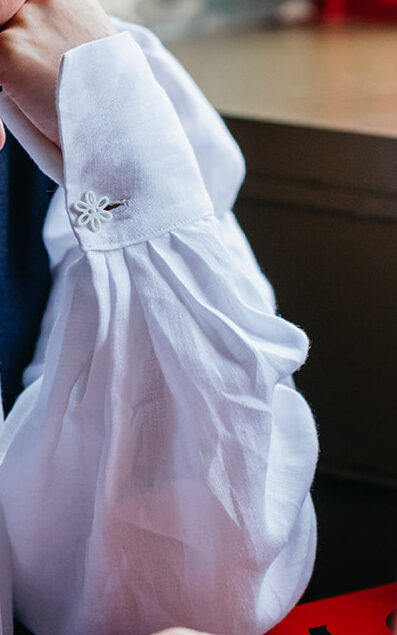 The Penelope Shirt is designed, pattern cut and made by Isabelle herself in her Scarborough studio. Her approach is wonderfully hands-on and deliberately a little old-school. Rather than separating design from construction, an idea develops through pattern cutting and making, allowing Isabelle to think about proportion, movement, finish and fit throughout the process.
As her brand grows, keeping British design and manufacturing at its heart remains hugely important to her. That’s precisely the sort of craftsmanship I wanted the Collective to help celebrate. The wider 90-Day Wool Habit isn’t simply about the garment I’m wearing: it’s also an opportunity to shine a light on the British businesses and makers behind the things we choose to put in our wardrobes. That was part of the ambition for the Collective from the outset.
Isabelle and wool
Although the Penelope itself is linen, wool and, particularly Yorkshire wool cloth, has become an important part of Isabelle’s collections since her return to Yorkshire. She loves its versatility: wool can be sculptural enough for tailoring while remaining comfortable and wearable, with the longevity she believes clothes should have. Much of her current outerwear and tailoring uses Yorkshire-woven tweeds. Isabelle particularly enjoys taking a fabric sometimes associated with traditional country clothing and cutting it in a much more contemporary way. It’s another reminder that wool doesn’t have to mean one particular look, season or style, something I’m rather hoping to prove over the next 90 days too.
Clothes that earn their place
There’s a lovely alignment between Isabelle’s approach to making clothes and what I’m trying to explore through the 90-Day Wool Habit. For her, “buy less, buy better” isn’t simply about spending more on fewer things. It’s about asking more of what we choose:
“Does it fit properly? Do I love wearing it? Is it well made? Can I wear it in different ways? And will I still want to reach for it in five or ten years?”
She would rather somebody bought one beautifully made coat and wore it for years than several pieces they didn’t really love. “Good design and good craftsmanship should earn their place in your wardrobe.”
And perhaps that’s the connection I like most.
The Penelope hasn’t replaced the dress or disguised it. It’s simply given me another way to wear it. On Day 1, a white linen shirt changed the shape, mood and personality of the same navy wool dress – exactly the sort of experimentation the next 90 days are about.
Isabelle hopes the Habit will encourage people to look again at what they already own, try styling it differently and question the idea that every new occasion needs something new. She’d also love it to challenge the perception of wool as purely traditional or wintry, and show just how contemporary and versatile it can be.
One thing you might not know about isabelleRANDALL…
Almost every garment still starts with Isabelle, a pencil, pattern paper and a pair of scissors. Even after more than 30 years in fashion, Isabelle still pattern cuts her own designs by hand. It’s one of the parts of the process she loves most and a skill she’s passionate about preserving and passing on to the next generation.
And perhaps that’s a rather good place to begin the 90-Day Wool Habit Collective: not with what should I buy next?, but with a beautifully made piece, the skills behind it, and the question of how much more we can get from the clothes we already have.