From Dumfries House to The Small Awards
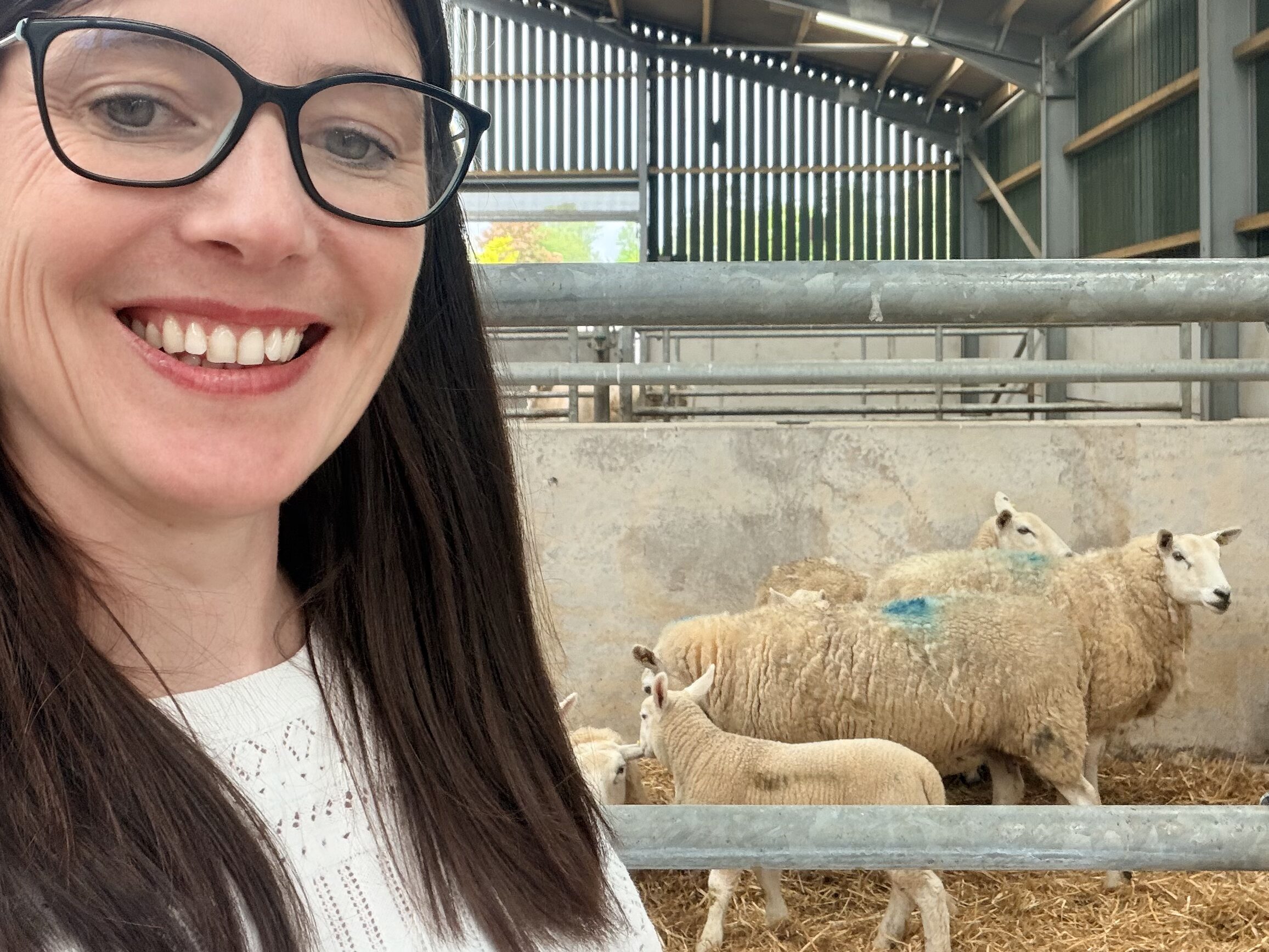
Last week, I spent several days at Dumfries House as part of The Great British Wool Revival Summit, discussing the challenges, opportunities and future of the British wool industry.
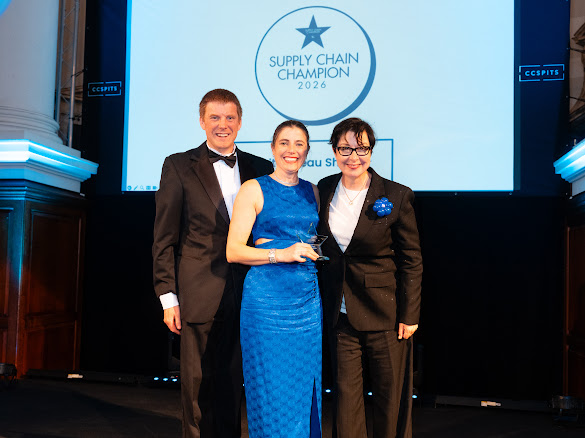
A few days later, Little Beau Sheep won the Supply Chain Champion award at The Small Awards.
The timing felt significant.
Supply chains are often discussed in the context of huge corporations, global logistics and large-scale manufacturing. But sitting in those conversations throughout the week, and then hearing Little Beau Sheep announced as the winner of a national B2B award, reminded me that small businesses are supply chains too.
Behind every product are farmers, mills, makers, manufacturers, packers, retailers, delivery drivers, designers and skilled craftspeople. Entire networks of people and businesses rely on one another to keep industries moving.
And in the wool industry especially, those connections matter.
The Challenge Facing British Wool
One of the recurring themes throughout the summit was the undervaluing of British wool.
Despite being renewable, biodegradable and produced as a natural part of British farming, wool is often treated as a low-value by-product. Farmers can struggle to make a return on their fleeces, processing infrastructure has declined, and generations of manufacturing knowledge risk being lost.
At the same time, consumers are increasingly searching for natural, traceable and sustainable alternatives.
That disconnect feels important.
Is It Really a Wool Problem?
The more I work within the industry, the more I believe the challenge is not simply about wool itself. It is about the value chain surrounding it.
At Little Beau Sheep, we have always tried to create practical products that reconnect people with British wool in everyday life, whether through laundry care, felted soaps or wool home products.
Increasingly though, I’m becoming interested in how small businesses can help rebuild value throughout the British wool supply chain itself.
Creating More Value From British Wool
One area I feel especially passionate about is working with farms and estates to help transform their own wool into bespoke products.
Instead of wool disappearing anonymously into a commodity system, there is an opportunity to create traceable, place-based products with real meaning and value behind them.
Not every fleece will become luxury fashion. But there are huge opportunities in practical everyday uses for wool, alongside collaborations that keep more value closer to the source.
That is where I believe small businesses can make a real difference.
Why This Award Matters
Winning a supply chain award felt particularly meaningful because it recognised that this work matters. Not just the end product, but the relationships, infrastructure and collaboration behind it.
British wool still has an incredible story to tell. The challenge now is making sure we continue building the networks, businesses and ideas that allow it to thrive in modern life.
For me, this award does not feel like an endpoint. It feels like encouragement to keep pushing the conversation forward.