Laundry is one of those jobs that just happens. In, on, out, folded away. Done without much thought, week after week. Which is exactly why it’s worth a closer look.
Of all the routines in a home, laundry might be one of the most quietly plastic-heavy. From the clothes we wear to the products we use to wash and dry them, plastic shows up in places most of us never think to question.
Here are five places plastic hides in an ordinary laundry routine and what a simpler, more natural approach can look like instead.
1. The clothes themselves
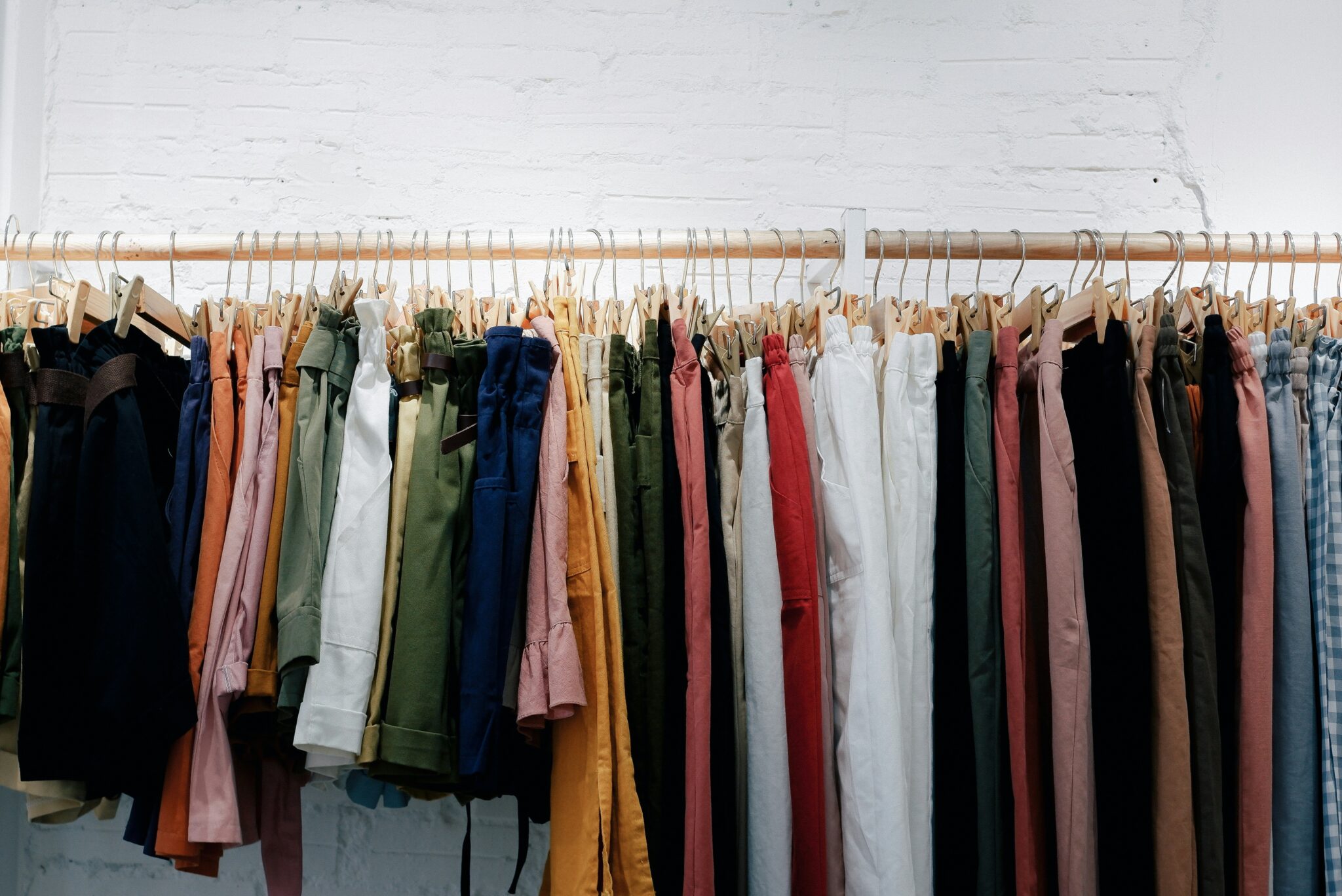 A lot of what goes into the washing machine is plastic. Polyester, nylon, acrylic, fleece and many “easy care” fabrics are synthetic fibres, and synthetic fibres are a form of plastic. Every wash and every tumble dry can release tiny fragments known as microplastics. Some of these particles are small enough to pass through water treatment systems and eventually find their way into rivers, seas and the wider environment.
It’s a bigger issue than many people realise. Synthetic fibres now account for the majority of global textile production, meaning much of the clothing in our wardrobes contains some form of plastic.
It’s not about blame, it’s simply how clothing has been made for decades. But understanding what’s in our clothes is the first step towards making more informed choices in the future.
2. The detergent bottle
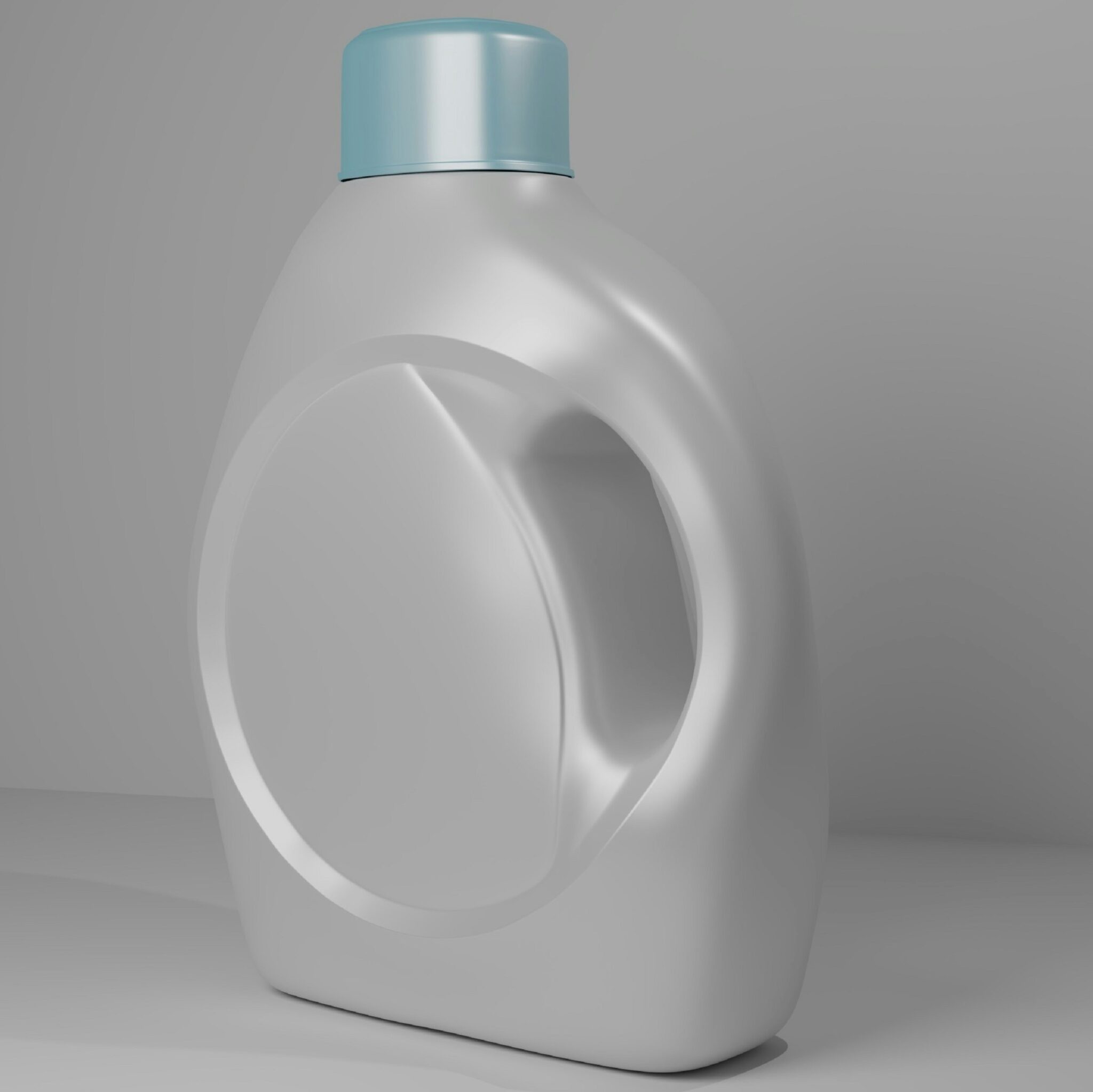 Most of us reach for the same plastic bottle of detergent week after week without giving it much thought. Even when bottles can be recycled, they still need to be manufactured, transported and processed at the end of their life. Because laundry is such a regular household task, those bottles can quickly add up over the course of a year.
It’s easy to overlook because it’s familiar. But familiar doesn’t always mean necessary. Refill options, concentrated products and alternative packaging can all help reduce the amount of plastic involved in a typical laundry routine.
3. The fabric softener
Fabric softener is designed to make clothes feel softer and reduce static, but many conventional softeners achieve this by coating fibres with synthetic conditioning agents. Over time, these coatings can build up on fabrics, reducing absorbency and affecting performance, particularly on towels, sportswear and natural fibres. Some people also find heavily fragranced softeners irritating to sensitive skin.
If you’ve ever searched for a natural fabric softener alternative, this is often the reason why. Many households are now exploring simpler ways to soften laundry without relying on additional chemical coatings.
4. The dryer sheet
Dryer sheets are designed to be used once and then thrown away. They may seem insignificant, but when used load after load, week after week, they create a steady stream of single-use waste. Many also contain synthetic materials and fragrance compounds that remain on clothing after drying.
It’s one of those habits that hides in plain sight simply because it’s become normal. Yet it’s also one of the easiest parts of a laundry routine to replace.
5. The “eco” dryer ball that still isn’t
This is the one that catches many people out. Lots of households have already moved away from dryer sheets and switched to dryer balls, only to discover that many of the alternatives available are still made from plastic.
While reusable plastic dryer balls can reduce waste compared to disposable sheets, they’re still synthetic products and can wear down over time. They are also harsh on clothing fibres and don’t get me started on the noise that they make tumbling in the drum!
There’s a simpler, natural alternative
 The good news is that none of this requires a complete lifestyle overhaul. In many cases, small changes made consistently have the biggest impact. That’s where wool comes in.
Long before plastic became part of everyday life, wool was helping households wash, dry, soften and care for textiles naturally. It’s renewable, biodegradable and remarkably durable, qualities that have made it valuable for generations.
Britain also happens to produce millions of kilos of wool every year, yet much of it remains underused and undervalued. At Little Beau Sheep, we believe British wool deserves a place in modern homes.
That’s why we make our wool dryer balls from 100% British wool, handmade in Yorkshire. They help separate laundry in the tumble dryer, allowing warm air to circulate more efficiently while naturally softening fabrics without the need for dryer sheets or fabric conditioner.
They’re reusable for years, contain no plastic and support British farmers and rural manufacturing at the same time. It’s a small swap, but laundry is something every household does every single week. That makes it one of the most powerful places in the home to begin reducing plastic use.
You don’t need to change everything at once. You just need to start somewhere. And your laundry basket is as good a place as any.