
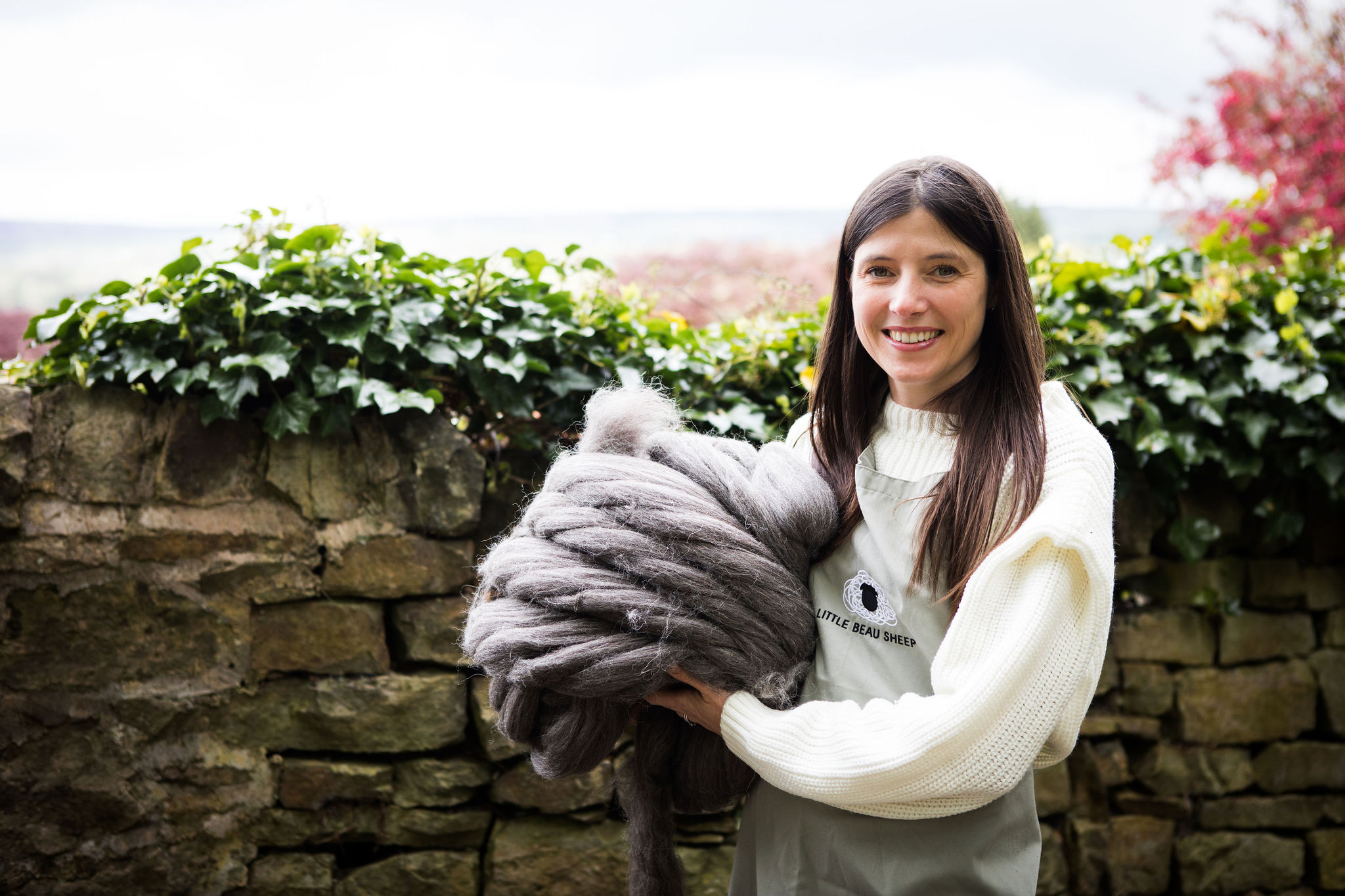
 As someone whose life is wrapped up in wool, I occasionally take for granted that everyone else knows the benefits of this miracle material as well as I do:- That people truly understand how wool keeps you both cool and warm. That it’s naturally waterproof and yet flame resistant. And, how its breathability organically repels the build-up of odour-causing bacteria.
But that’s just the tip of the iceberg – don’t get me started about the environmental advantages of wool and how it’s the ideal alternative to plastic-shedding man-made fabrics which take years to degrade in landfill.
So as a champion for wool – and British wool especially – I’m super keen to spread the word about this amazing fabric.
But why is home grown wool worth it and how does it compare to wool from elsewhere in the world?
Not all wool is created equal
Wool comes from all over the world – but not all wool is created equal. For instance, did you know that China is currently the world’s biggest wool producer? Besides the obvious issue of airmiles and an increased carbon footprint as the wool is transported around the world, there are other environmental considerations too. For instance, with fossil fuels powering over 80% of China’s energy and lower environmental standards around the release of toxic dyes into waterways, the planet is paying a high price for China’s wool production.
Another big producer is New Zealand. Surprisingly, almost half of what’s grown there is transported to…you guessed it, China! When you consider the heavy fuel need to ship this volume of wool and the environmental impact and noise damage caused to the ocean, you have to wonder if something closer to home might be a better option.
Putting British Wool back on the map
This is where British wool really co mes into its own. Produced to high ethical standards, it’s the also the fabric of communities up and down the length of the country. What’s more, due to the colder climate and better diet here, sheep tend to be hardier with thicker, extra hardwearing coats. Of course, this meant that British wool fell out of favour against softer yarns such as merino wool. However, new processes and initiatives introduced by British Wool – which include working with celebrity tailor and Sewing Bee judge Patrick Grant – are putting British wool back where it belongs on the world stage.
Rare breeds, rare beauty
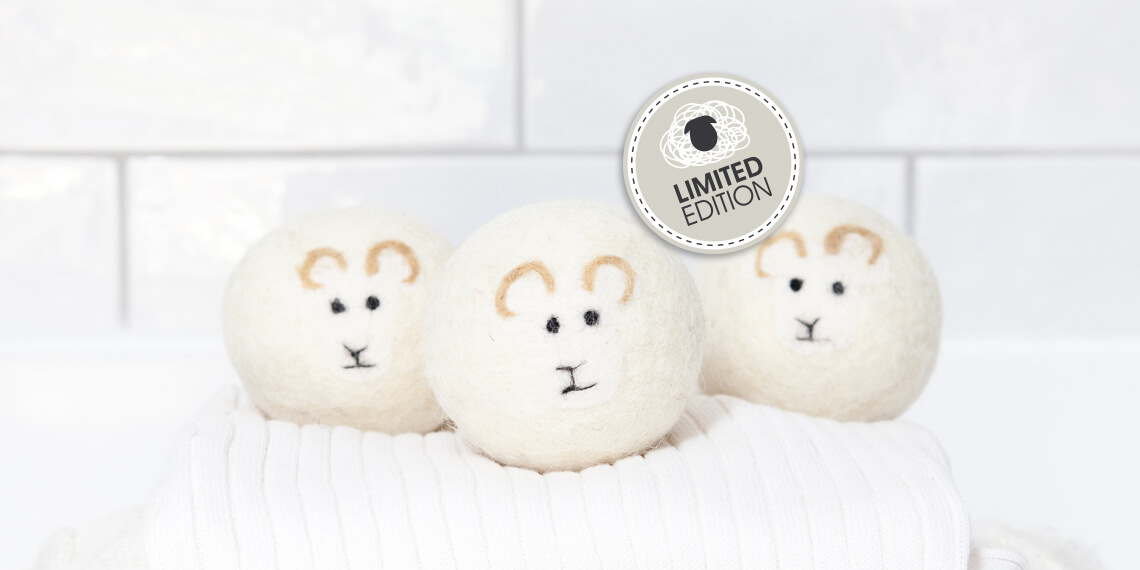 Then we have the unique and rare breeds that graze in the fields and meadows of our green and pleasant land. As much a part of the English countryside as stone walls, babbling brooks and rolling hills, rare breeds add a distinct touch of character and personality. At Little Beau Sheep, we work with rare breed shepherds to help raise the profile and raise funds for these beautiful creatures. Our latest Limited Edition Sheep is the Cheviot.
TED talks and people listen
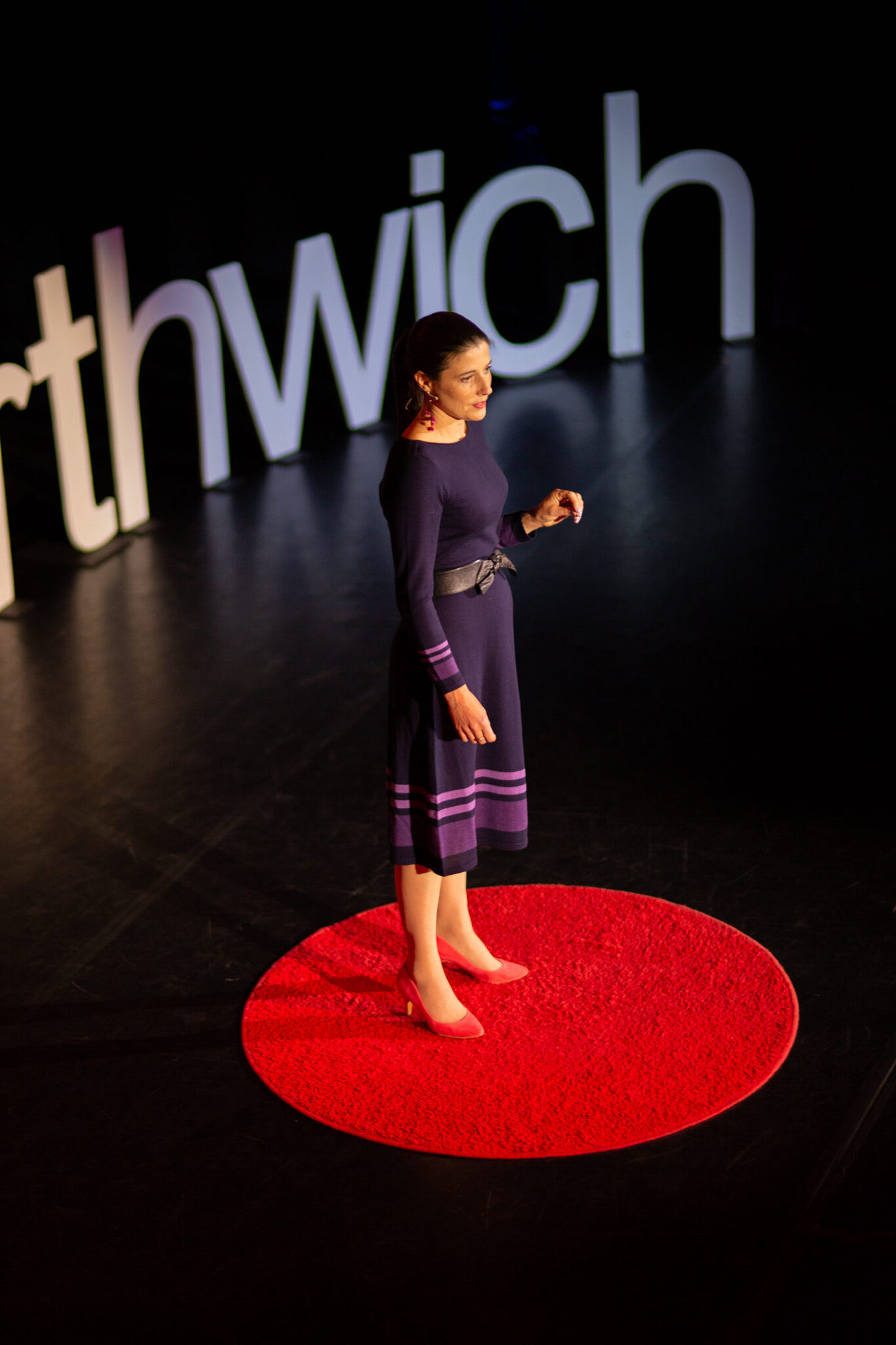 To spread the word of wool even further, I took to the stage to talk about this miracle material using the TEDx platform. For those of you who don’t know, TEDx is a global media organisation dedicated to sharing ’ideas worth spreading’. As you can see from the video, my talk championed the idea of wool as a much under-used resource, one which provides a sustainable and reusable material in a world fast running out of natural options.
Keeping it local, not global.
As fire and floods seem to be raging in so many parts of the world, it’s becoming increasingly clear that climate change is upon us. We all have to do everything we can to try and redress the environmental balance. This includes reducing our carbon footprint by going local instead of global. All of Little Beau Sheep’s range is sourced and made right here in the UK. This gives our customers immediate peace of mind around ethical and fair production methods – as well as reducing airmiles and plastic use all in one go.
The Worshipful Company of Woolmen
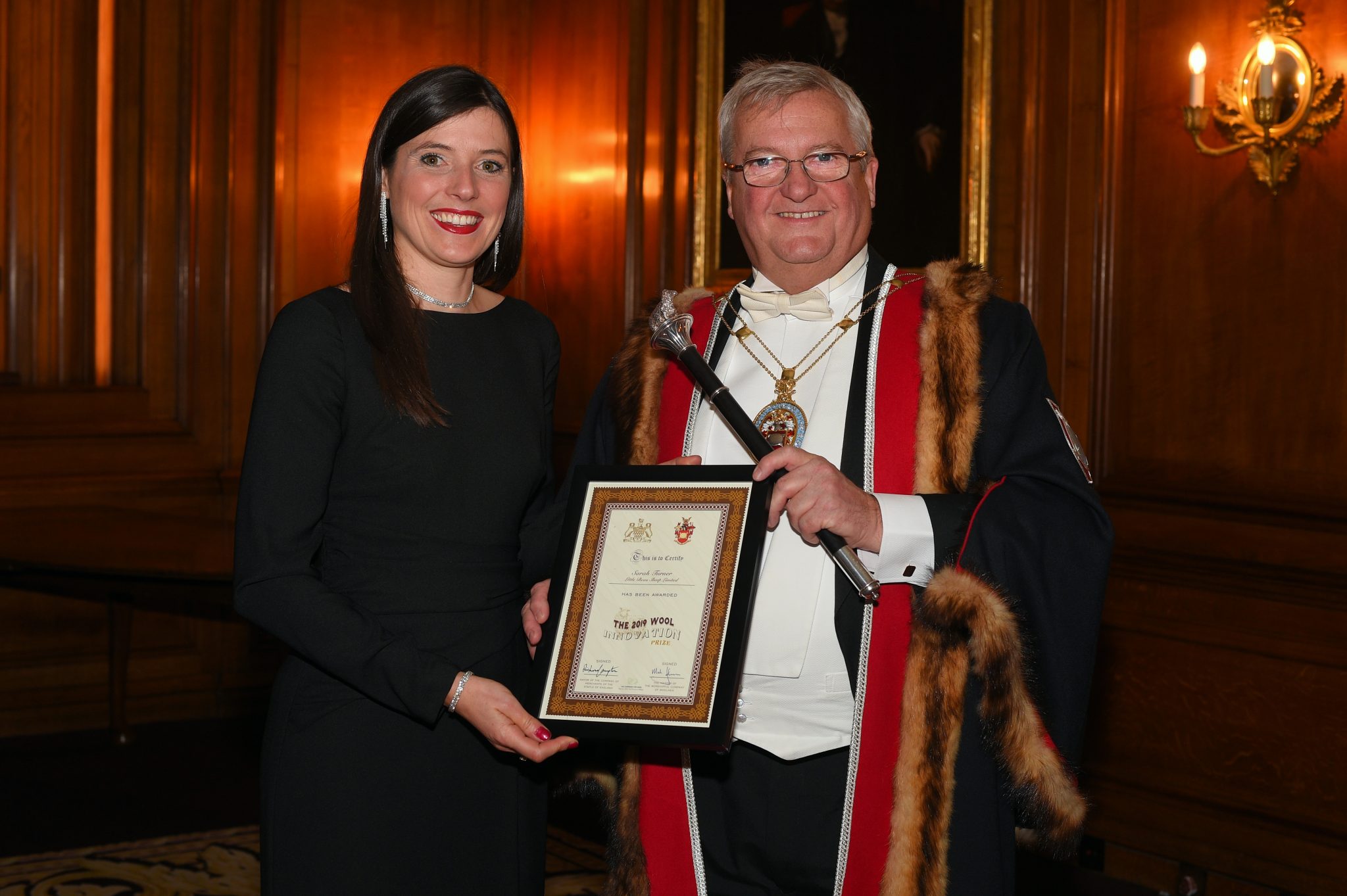 Over 800 years ago, the Worshipful Company of Woolmen was established to regulate the wool trade in England. At the time, it was fined by non-other than Henry II for operating without a licence! Throughout its long years the Company has been immersed in the wool industry and this remains its most important activity. Past Masters of the organisation include none other than Her Royal Highness the Princess Royal! As a wool champion, I’m super-proud not only to have received their prestigious Wool Innovation Prize but also to soon be inducted as an official Woolman myself. This means I can play an even more active role in the promotion of wool as an everyday material.
Putting wool in the spotlight
The more people see how wool can be used in an array of different ways, the better it is for the industry and the planet. Little Beau Sheep has collected a number of awards for the innovative use of wool and generated high profile coverage that keeps wool well and truly in the spotlight. These include the Small Business Sunday Award from the one and only Theo Paphitis of Dragons’ Den fame. A feature on Countryfile, the BBC’s flagship programme for all things rural, provided a real insight for viewers into the versatility of wool. To keep wool front of mind when it comes to sustainable gifting, Little Beau Sheep has also been ‘highly commended’ not once, not twice but three times for Gift of the Year.
No-one works harder for wool
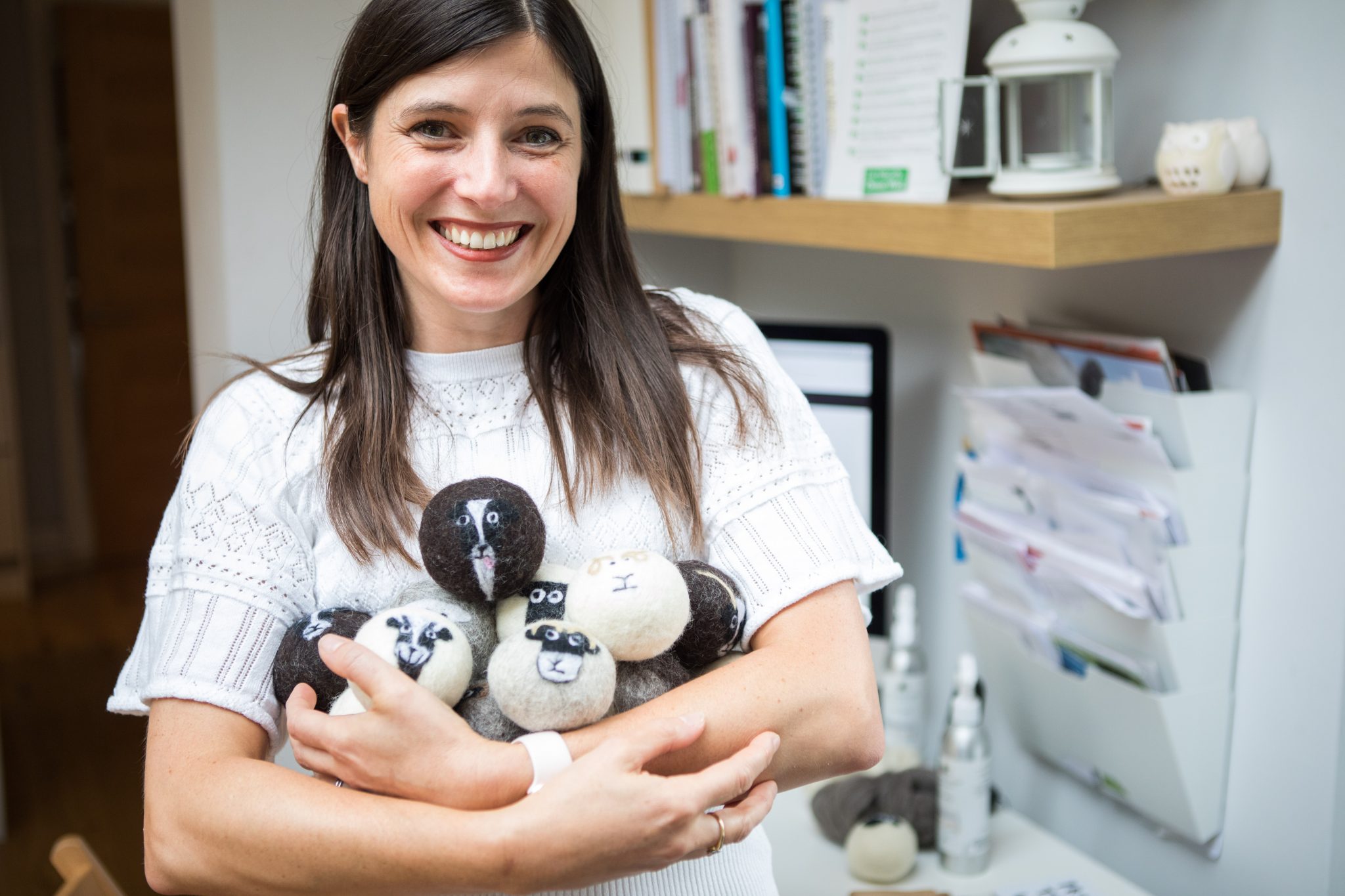 So there you have it. You can rest assured that when you buy from Little Beau Sheep, you’re shopping with a small business that really does put wool, community and the environment first. For me, wool is more than just a product, it’s a way of life. The work isn’t over and the journey has a long way to go to get British wool back where it belongs. I hope you can join me.


